


Plan Your Topper: Size, Fiber and Color
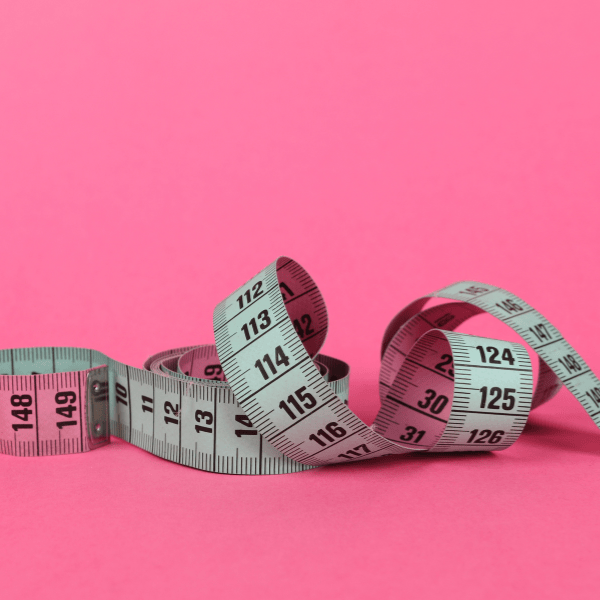
HOW TO MEASURE
Measure the area you want to cover to find the right topper base size.
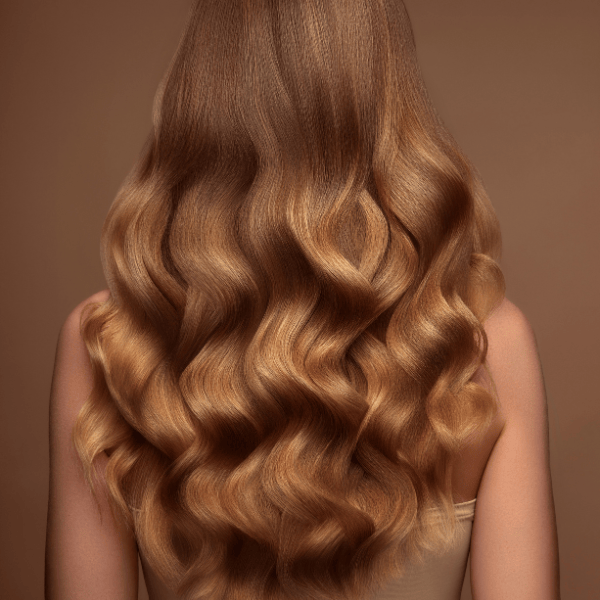
Fiber Choices
Synthetic, heat friendly or human hair? Compare care, styling and blending to find your best match.
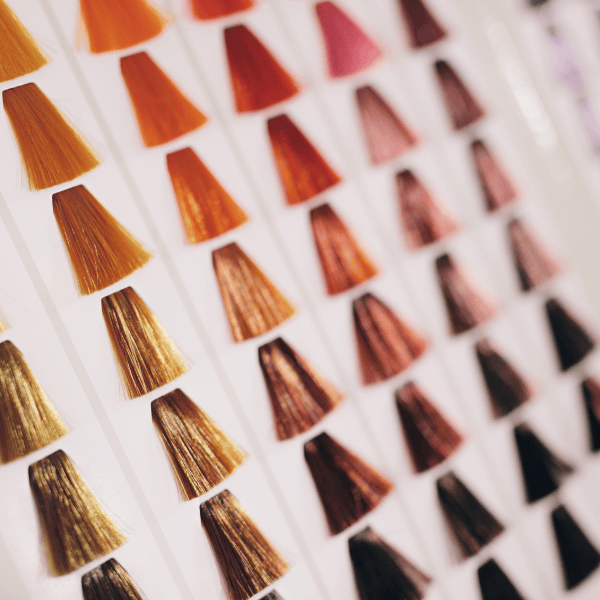
Choose a color
Match your topper to your own hair with tips on undertones, roots and color charts.


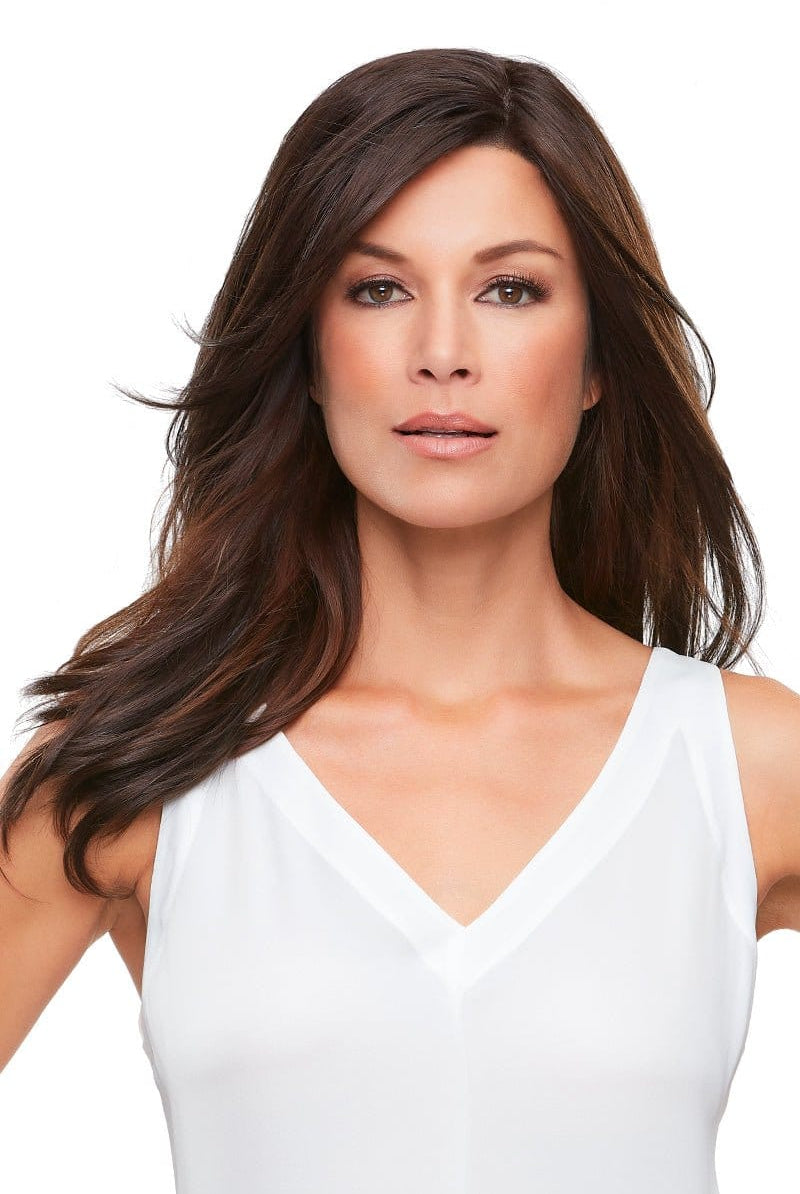



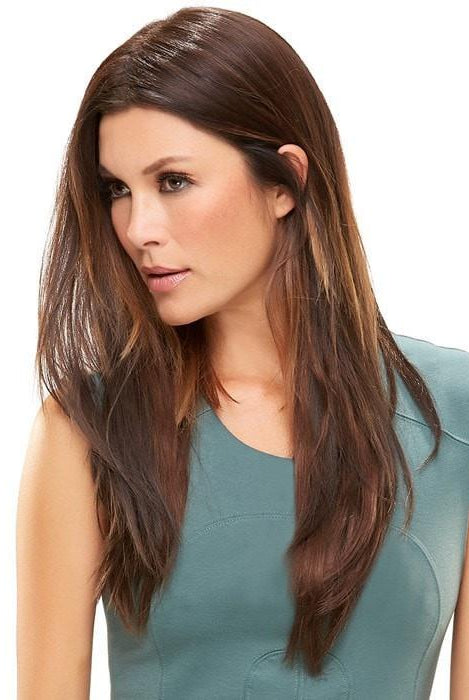
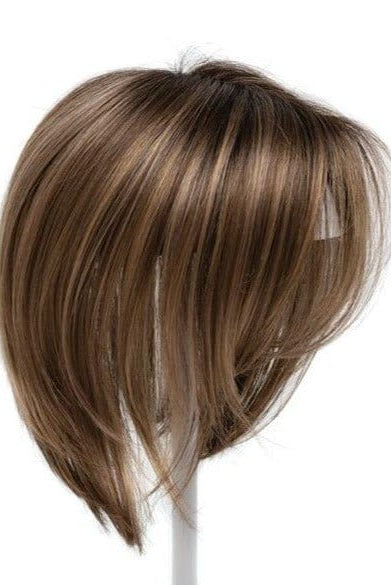

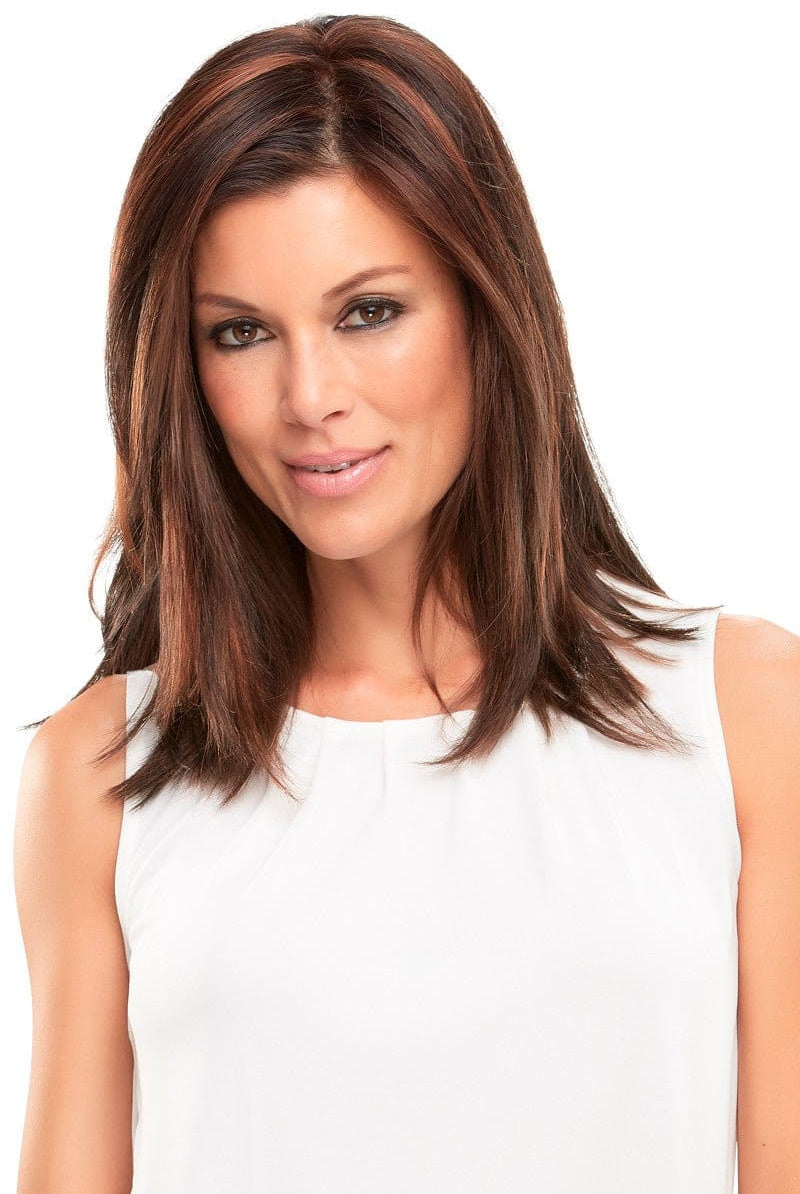
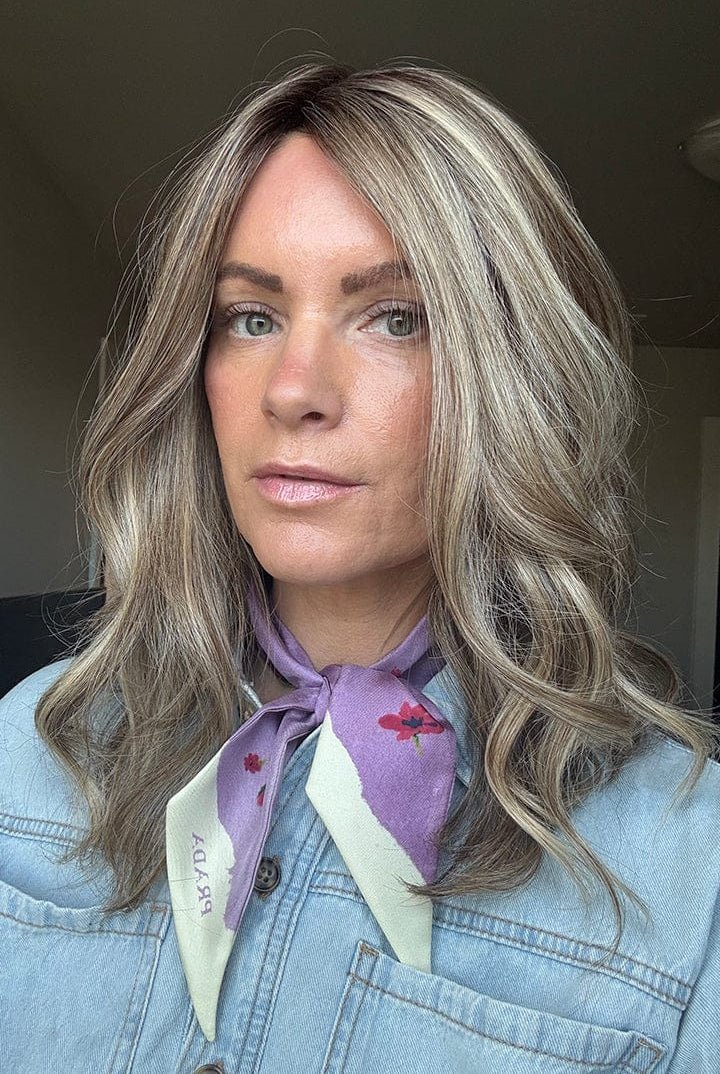


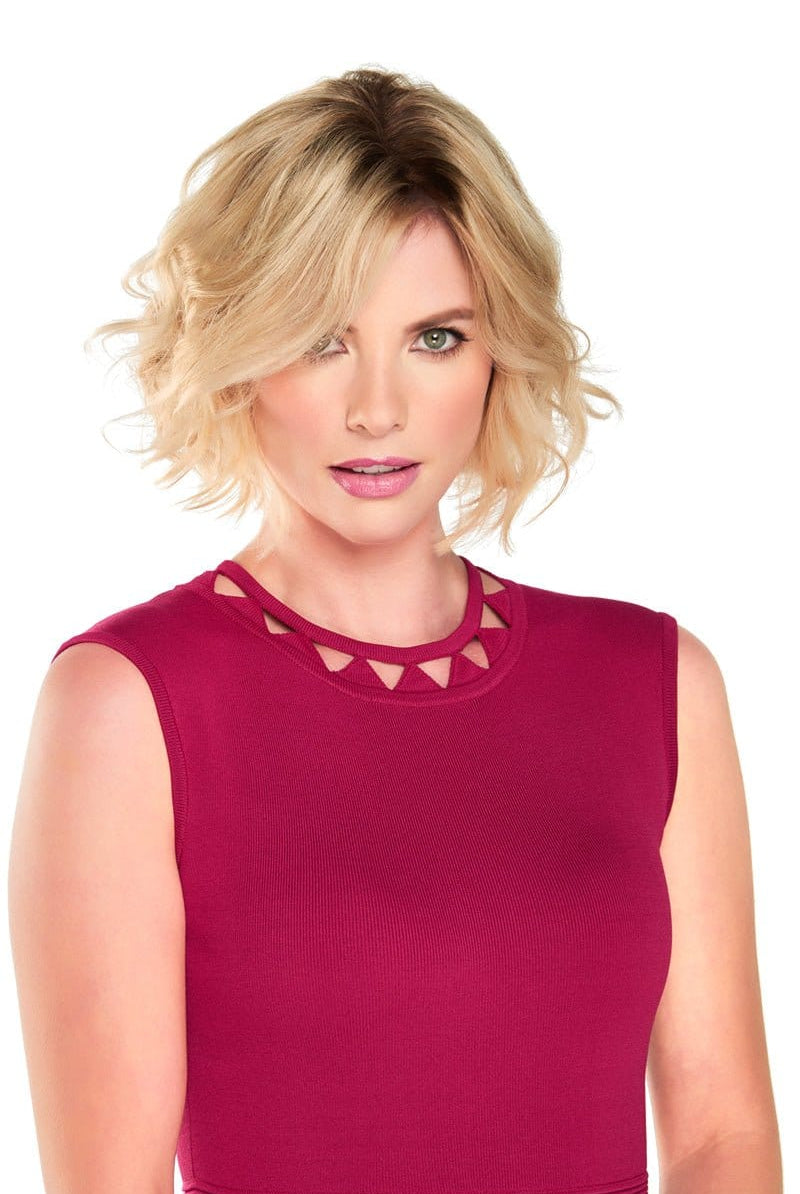
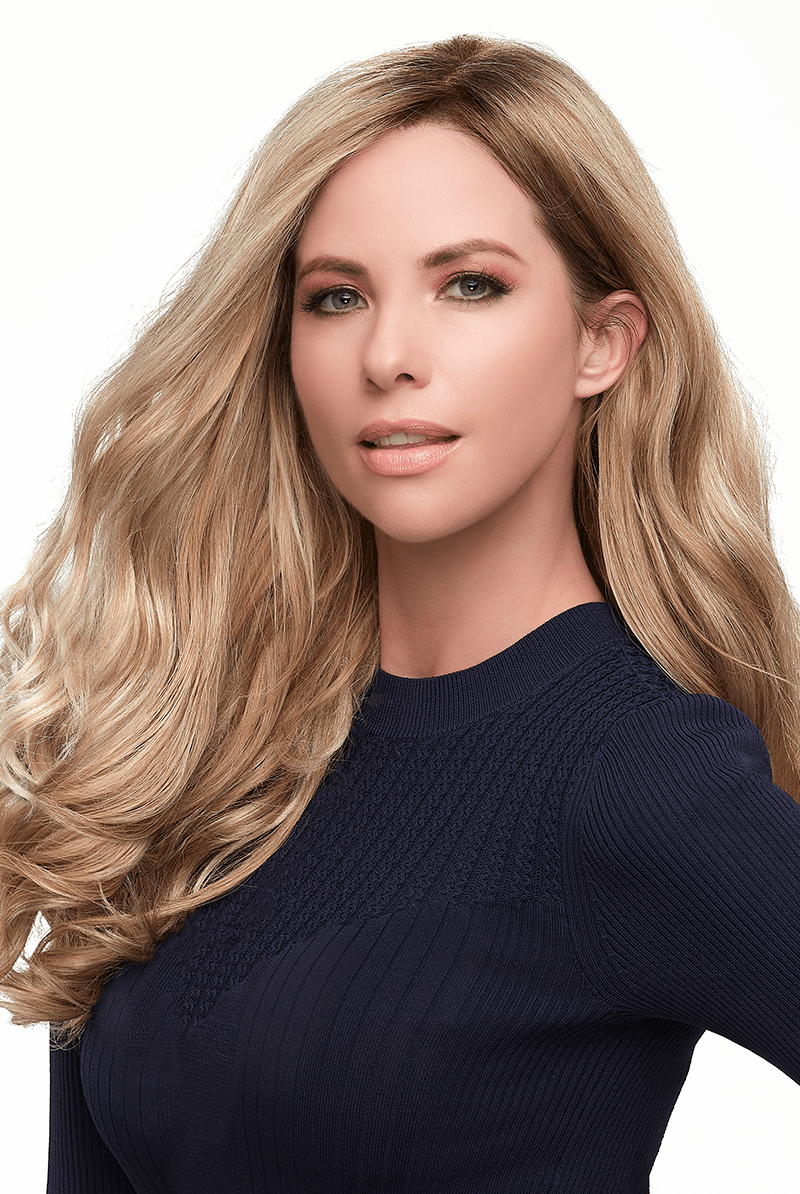
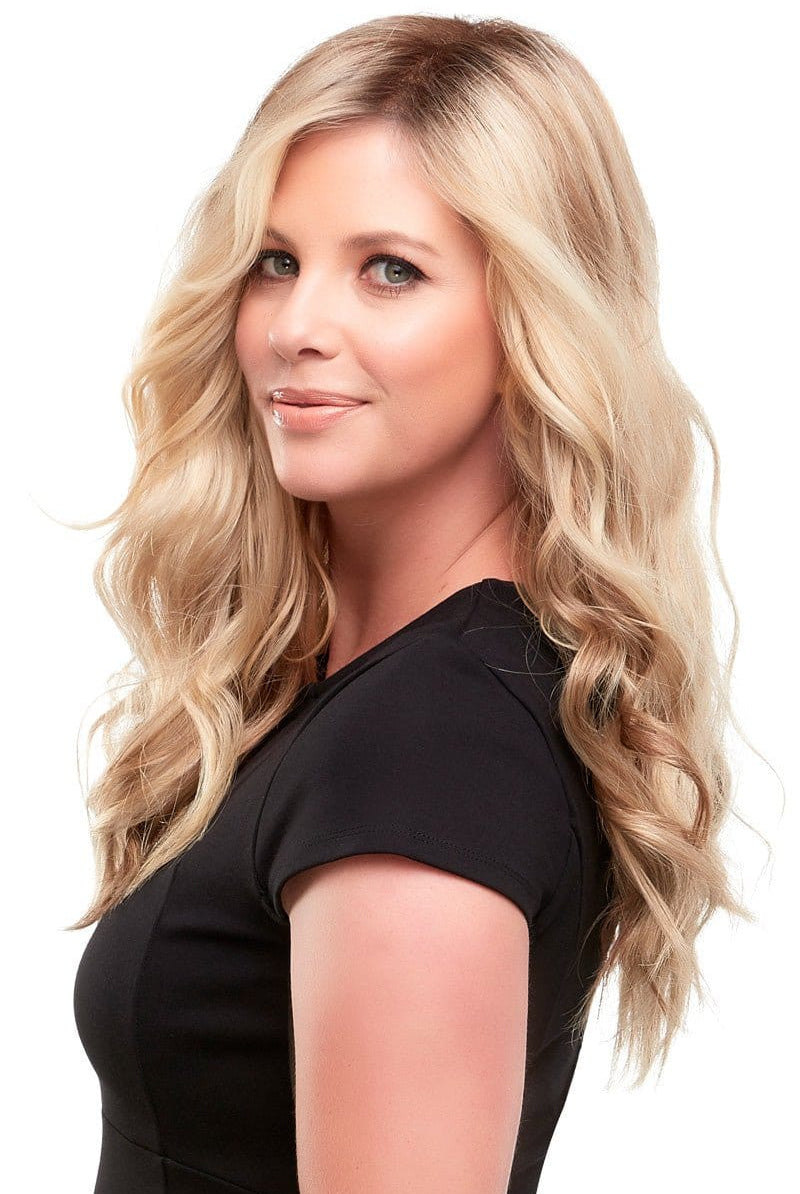
All About Hair Toppers: A Beginner's Guide
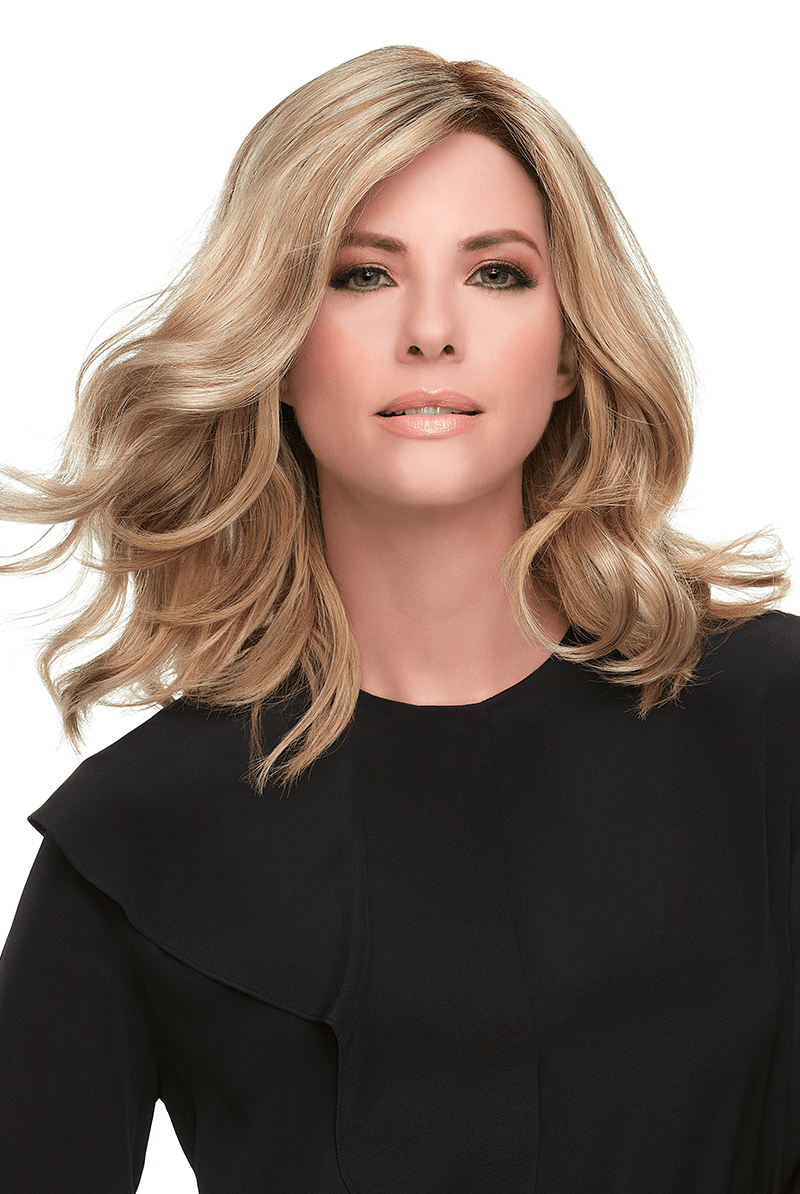
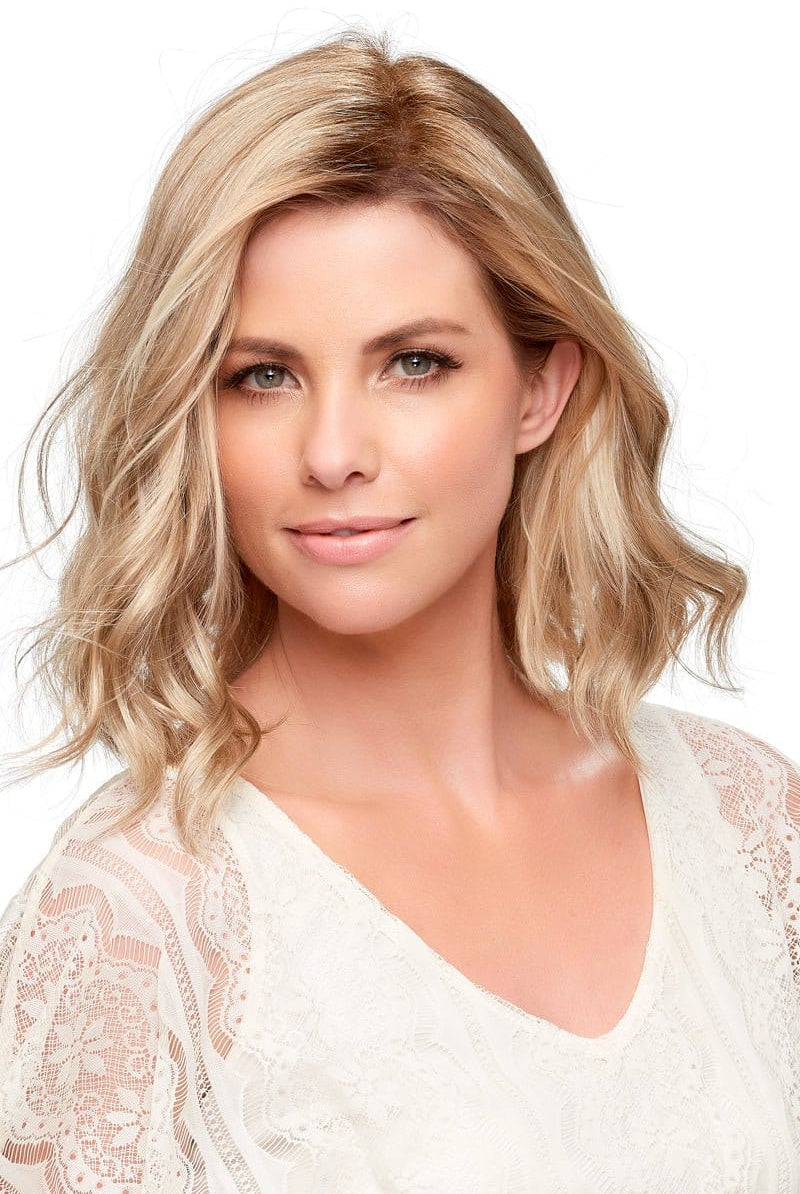
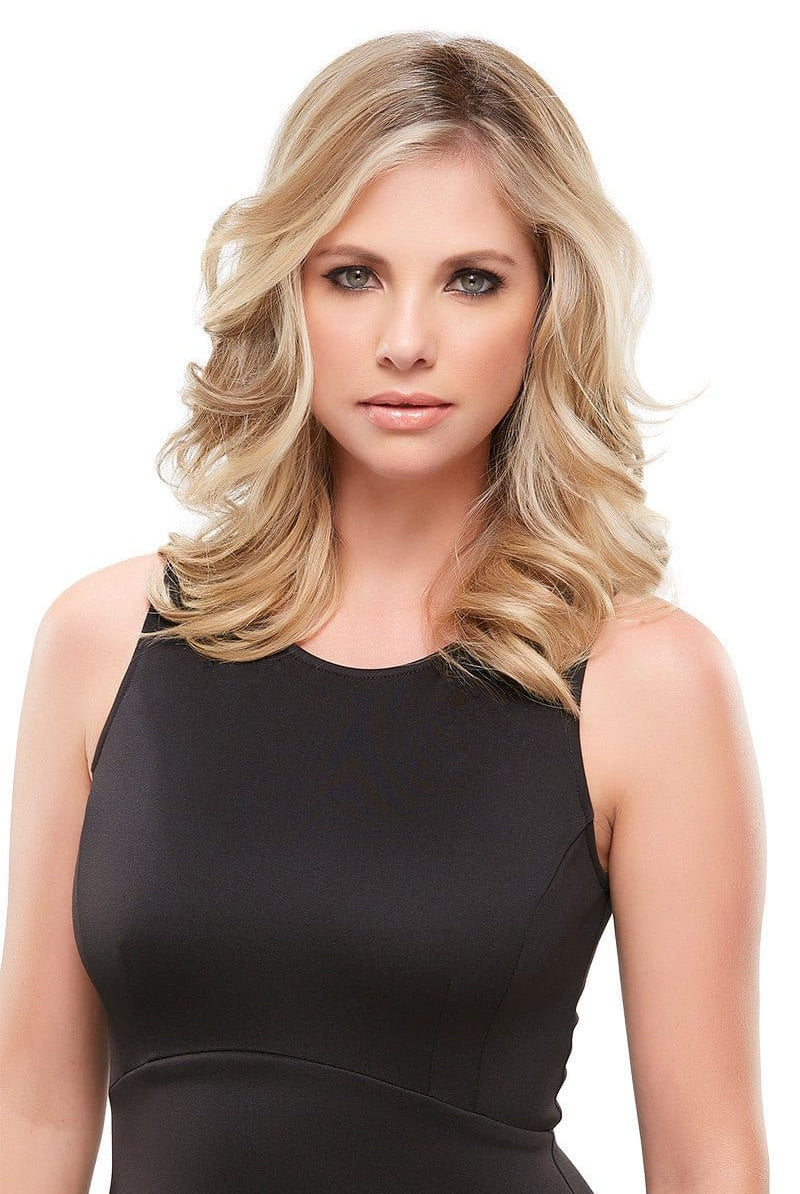
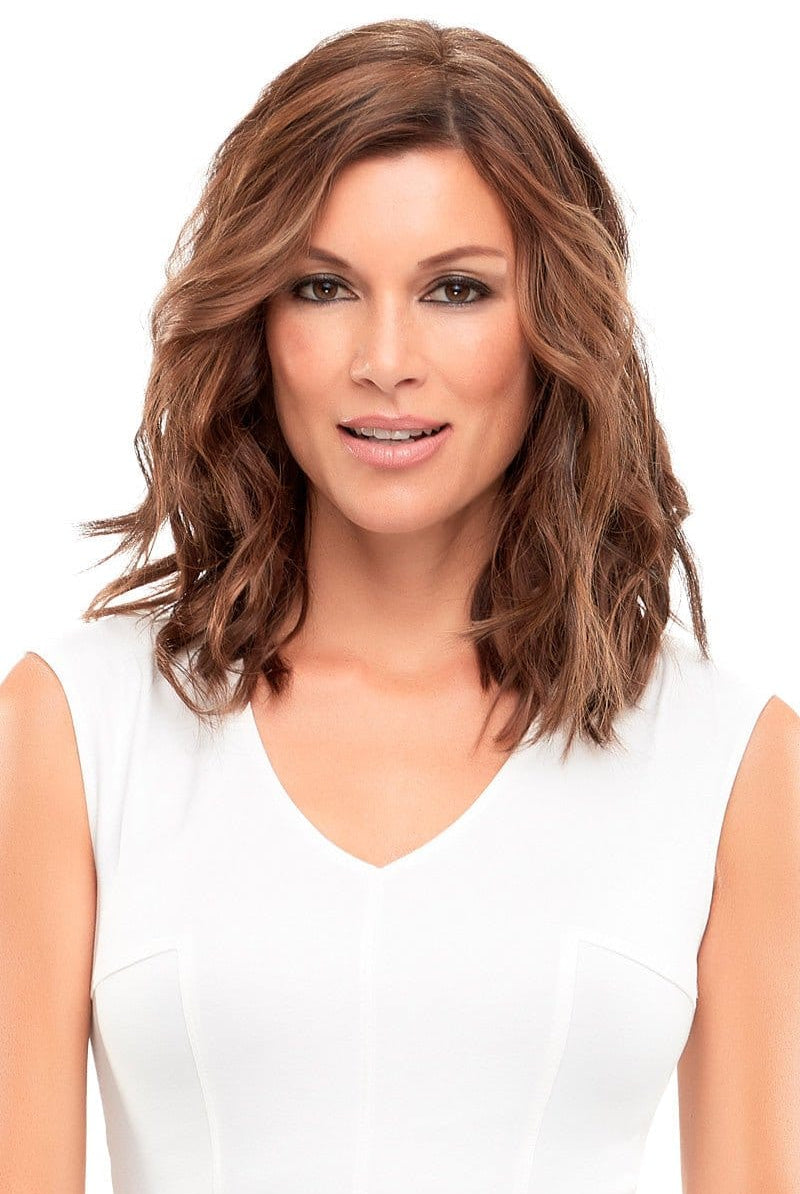
A hair topper is a partial hairpiece that clips into your own hair to add coverage and volume where you are thinning, usually at the part, crown or top of the head. This page explains how toppers work, who they suit and how to choose the right base size, fiber and color, so you can find a topper that blends naturally with your hair.
Start here: Starting Your Hair Topper Journey, our complete step-by-step topper guide.
Your Topper Plan in 6 Steps
- Confirm a topper is right for you: see Do I Need a Wig or a Topper? and Hair Topper vs. Wig.
- Measure the area you want to cover: follow How to Measure for a Hair Topper.
- Choose a base size for your stage of thinning: beginning, mid to progressive or advanced.
- Choose a base type and fiber: lace, monofilament or silk, in synthetic, heat friendly or human hair (see below).
- Match your color: read How to Choose Your Wig Color; the same undertone and root tips apply to toppers.
- Plan your care routine: use our synthetic, heat friendly and human hair care guides.
How Do Hair Toppers Work?
Toppers cover targeted areas of thinning at the crown, part line or top of the head. They attach to your existing hair with small, discreet clips and add density where you need it most. Because your own hair stays visible around the edges, toppers are a popular choice in the early to moderate stages of hair loss. They are lightweight and secure enough for everyday wear.
Who Is a Hair Topper Right For?
A topper may suit you if your hair feels flat at the crown, your part keeps widening or you see more scalp than before. Toppers are also a good fit if a full wig feels too heavy or warm, because you keep your own hairline at the front and sides. You need enough healthy hair for the clips to hold. If your thinning is widespread, a wig may give you better coverage.
Which Base Size Do I Need?
Base size determines how much area a topper covers. Smaller bases suit subtle thinning along the part; larger bases cover more advanced thinning at the crown. Choose a base that reaches slightly past your thinning area so the clips attach to healthy hair. Then pick a length close to your own hair so the two blend seamlessly.
Topper Base Types: Lace, Monofilament and Silk
- Lace bases are lightweight and breathable. The sheer material blends with your scalp for a natural-looking part.
- Monofilament bases have a soft, thin layer with each hair tied by hand, so hair appears to grow from the scalp. They suit sensitive skin and allow flexible parting.
- Silk bases hide the knots beneath a smooth layer, creating the most realistic-looking scalp at the part.
Synthetic, Heat Friendly or Human Hair?
- Synthetic toppers hold their style after washing and need the least maintenance.
- Heat friendly synthetic toppers can be styled with low heat for more versatility.
- Human hair toppers blend most easily with your own hair and can be styled like it, with more care.
Compare them in Synthetic vs. Human Hair.
How Do I Match a Topper to My Hair Color?
Because a topper blends with your own hair, color matching matters even more than with a wig. Rooted and multidimensional shades usually blend best. Compare shades on our color charts and read How to Choose Your Wig Color. Our team can also help you match your color during a free virtual consultation.
Caring for Your Topper
Gentle detangling and a regular washing routine keep your topper looking its best; how often you wash depends on how often you wear it and its fiber. Store it on a stand or flat to protect its shape and base. See our care guides for synthetic, heat friendly and human hair toppers.
Feeling Overwhelmed?
Noticing thinning hair can be emotional. Our guide Coping With Hair Loss: The Emotional Side offers support and encouragement, and our private Facebook community, Wig and Topper Help, connects you with people who understand.
Frequently Asked Questions
Will a hair topper damage my own hair?
Worn correctly, a topper sits lightly on your hair. Place the clips on healthy hair, vary their position and remove your topper before sleeping to avoid strain.
How do I know whether I need a topper or a wig?
Toppers suit thinning in specific areas while you still have hair around the perimeter. If thinning is widespread, a wig usually gives more complete coverage. See Hair Topper vs. Wig.
Which topper is best for a thinning crown?
Look for a base large enough to cover the crown with room for the clips. See The Best Hair Toppers for a Thinning Crown.
Get Personal Help
Our team offers free virtual consultations to help you choose a base size, fiber and color. Explore more guides in Strands of Knowledge: The Wig & Hair Loss Learning Center.
